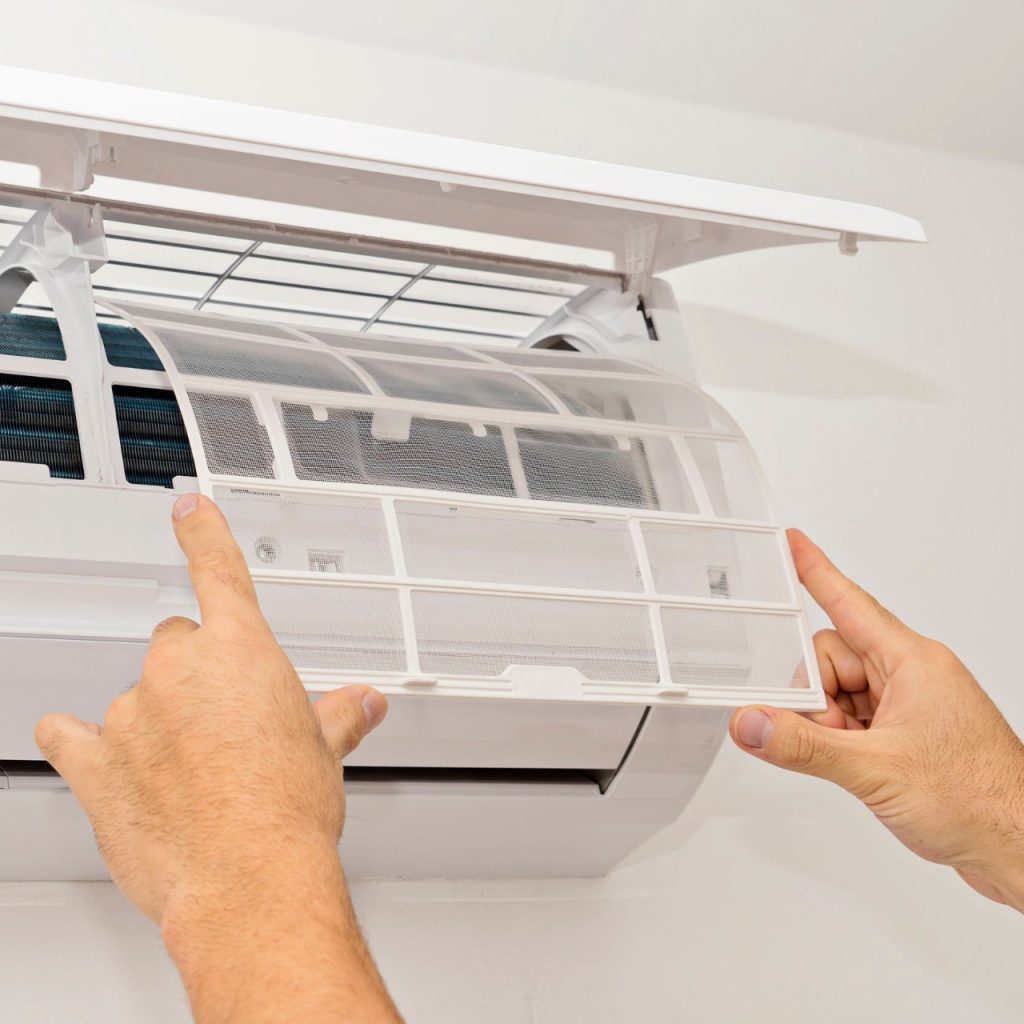
What are the symptoms of bad air quality in the home?
How comfortably you breathe in your home depends on the indoor air quality. When the air in your home isn’t clean, it affects how well you can breathe, whether you have medical issues. Why is indoor air quality important? Because that is where most of us spend most of our time, especially when you consider the hours we’re sleeping.
When you think about air pollutants, the outdoors comes to mind. However, the indoor air quality can affect our breathing too and is just as essential to our everyday health. Just like outdoors, there are contaminants in the air indoor too. Indoor air quality and health are affected by chemicals, gases, and other pollutants that cause allergies, eye irritation, fatigue, and headaches.
The health and safety in residential and public structures are affected by indoor air quality. Research and studies have shown that indoor air quality has presented concerns in that regard with what has proven to be common issues associated with indoor air quality:
- Ventilation systems that are improperly or inadequately maintained
- Contamination from chemicals, construction materials, fiberglass, glues, paints, particle boards, etc.
- The population inside a building
- Amount of indoor time
Any of the following symptoms are common among those affected by poor indoor air quality:
- Allergies
- Coughing and sneezing
- Dizziness
- Eyes, nose, skin, throat are dry and irritated
- Fatigue
- Headache
- Hypersensitivity
- Nausea
- Sinus congestion
In the workplace, it can take a few hours of being inside the building before a person notices any of these symptoms or after they have left the building and feel better. Because other factors can cause these same symptoms such as the common cold or the flu, they are not always associated with poor indoor air quality.
What causes poor indoor air quality?
Indoor air quality is affected by the interactions within a building between the activities, furnishings, and materials within the building, the climate, and the occupants. Problems with indoor air quality may occur from any the following causes:
- Humidity, inadequate temperature, poor air circulation, ventilation system issues.
- Bacteria, chemicals, dust, fungi, gases, molds, odors, vapors
- Inadequate intake of outdoor air
How can I test the air quality in my home?
Indoor air quality is to easily and quickly overlooked. However, it matters to our health. Inside business and homes, there are chemicals and toxic agents that can spread throughout a business or home that is harmful and can make a huge impact on our health. There are ways you can check the indoor air quality in your home or place of business:
- Air quality monitor – There are several indoor air quality monitors available on the market today, effective in detecting and logging indoor air quality. The PM2.5 levels, assorted allergens, and tiny dust particles are checked, and the Volatile Organic Compounds, aka chemical pollutants, humidity, and temperature.
- Carbon monoxide detector – there should be one on each level of your home. This is a colorless, odorless, tasteless gas that typically comes from gas appliances like fireplaces, furnaces, grills, stoves, water heaters, etc. When inhaled directly, it can be deadly. The units should be close to bedrooms so that everyone can hear the alarm while everyone is asleep and change the batteries on a regular schedule of every six months.
- Check for mold – An infestation of mold will have indications and symptoms through your home or business that you can detect by smell and visibly. If you notice an of musty odor in certain areas that cleaning doesn’t eliminate, you may need a professional mold test done. No matter how isolated or mild this odor is, it is affecting the indoor air quality. Visible indicators are black spots that seem to grow, constant water stains, and wet spots.
- At-home radon test – Radon, a radioactive gas, is a natural occurrence from broken down uranium. Radon is found in soil, well water, and have penetrated into homes and have adverse reactions with the indoor air quality. Radon test kits are available at local home improvement stores.
How can I improve air quality in my home?
There are seven things that you can do now that well-known indoor air quality facts have proved will improve the indoor air quality inside your business or home:
- Change the HVAC filter every thirty days.
- Change or clean other air filters in the house like a clothes dryer, kitchen exhaust fan, and vacuum cleaner.
- Have the air ducts and vents cleaned every six months by a professional.
- When cooking, turn the kitchen vents on or crack a window.
- Have all carpets and rugs professional deep cleaned every six months.
- Place one or two humidifiers in your home to minimize the moisture in the air and slow, irritating mold growth.
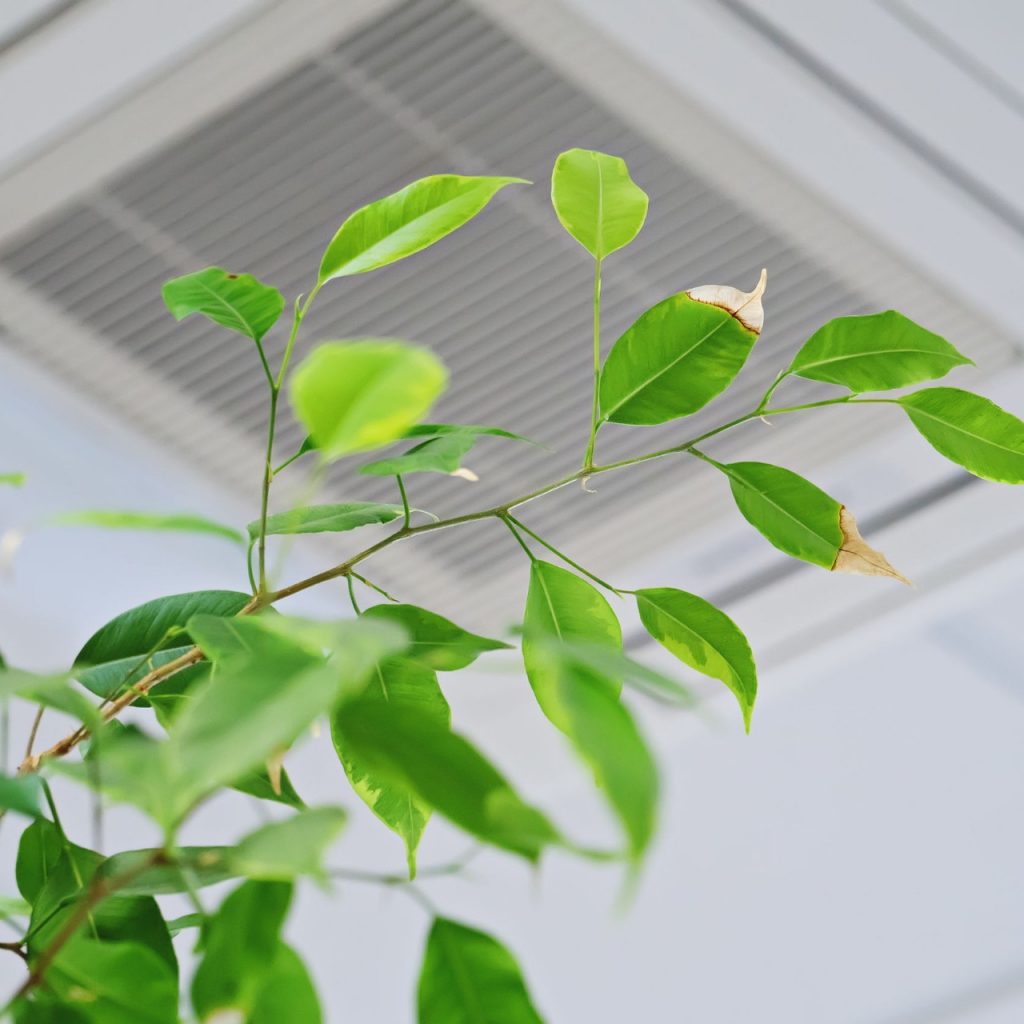
- Place live plants throughout the house in each room.
We hear about air pollution every day and we always think of it as pertaining to the outdoors. Surprising, corresponding to the EPS, when it comes to indoor air quality vs outdoor air quality, the indoor air quality can be up to more than 3 times worse than outdoor air quality, primarily due to airborne chemicals. So, don’t always base your decision on opening windows with concern to the outdoor air quality, it may be better for you than the indoor air quality. For your indoor air quality needs in Norco and New Orleans, LA, call Cajun Comfort at 985-764-8191 today.